
Gill's Fifty Off 66 Balls: A Record With a Denominator of One
**মূল উত্তর (৬০ শব্দের মধ্যে):** প্রতিবেদন অনুযায়ী ২১ নভেম্বর ২০২৬-এ ওয়েলিংটনে ভারতীয় অধিনায়ক শুভমান গিল টেস্টে পঞ্চাশ করেন ৬৬ বলে, ছক্কা মেরে, স্ট্রাইক রেট প্রায় ৭৬। এটি ধোনির ফেব্রুয়ারি ২০১৪-র ৬৮ রানের পর ভারতীয় অধিনায়কের প্রথম টেস্ট পঞ্চাশ বলে দাবি করা হয়। তবে ২০১৪ থেকে ২০২৬-এর মধ্যে ভারত নিউজিল্যান্ড সফর করেছে মাত্র একবার, ফলে 'প্রথম'-দাবিটির ভিত্তি দুর্বল। **মূল তথ্য:** - শুভমান গিলের পঞ্চাশ আসে ৬৬ বলে, জ্যাকব ডাফির বলে ছক্কার মাধ্যমে; স্ট্রাইক রেট প্রায় ৭৫ দশমিক ৮। - দ্বিতীয় উইকেটে কে এল রাহুল ও দেবদত্ত পাদিক্কালের জুটি ১৬৫ রান; পাদিক্কাল ৮০ করে কাইল জেমিসনের বলে বোল্ড। - গিলের পঞ্চাশের সময় ভারত দুই উইকেট হারিয়ে নিউজিল্যান্ডের ৩৬৮ রানের কাছাকাছি পৌঁছে যায়। - ফেব্রুয়ারি ২০১৪-তে ধোনি ৬৮ রান করেন ৮৬ বলে, ভারত ৪৩৮ করে, ম্যাকালাম ৩০২, ম্যাচ ড্র। - ২০১৪ থেকে ২০২৬ পর্যন্ত ভারতের নিউজিল্যান্ড সফর একটিই (২০২০), কোহলির নেতৃত্বে, চার Inningsে ৩৮ রান। **সূত্র:** Khel Now Cricket প্রকাশিত প্রতিবেদন; Articlesে উল্লিখিত তারিখ ২১ নভেম্বর ২০২৬, স্বতন্ত্র স্কোরকার্ড যাচাই বাকি | Cross-checked: cricsultan.com **সম্ভাব্য Search:** প্রশ্ন: গিলের ছেষট্টি বলে পঞ্চাশ কী সংকেত দেয়? উত্তর: এটি সিমের বিরুদ্ধে স্কোরিং-ইন্টেন্টের সংকেত, তবে এক Inningsে প্রবণতা Founded হয় না। প্রশ্ন: 'ধোনির পর প্রথম' রেকর্ডটি গুরুত্বপূর্ণ কেন নয়? উত্তর: ওই সময়কালে ভারতের নিউজিল্যান্ড সফর ছিল একটিমাত্র, তাই বাদ-সেটে অধিনায়ক মাত্র একজন; cricsultan.com অধিনায়ক-Innings সূচক ব্যবহার করে যাচাই করা যায়। প্রশ্ন: এই ম্যাচে ভারতের আসল ঝুঁকি কী? উত্তর: বেসিন রিজার্ভ চতুর্থ Inningsে লিড গিলে ফেলে, ২০১৪-র ড্র হওয়া ম্যাচটিই তার উদাহরণ।
It was ten past four in the morning in Barishal. The Wellington feed was showing the first session of the third day, a cup of tea sat to my left, and my notebook was folded open at a page I had already half filled. I cannot recall ball number fifty. I remember ball number sixty-six. Jacob Duffy bowled, Shubman Gill hit it for six, and the scorecard recorded fifty. In my notebook I circled the 66, not the 50.
A fifty off sixty-six balls at No.4 in a Test works out to a strike rate near 76. That single number tells you this was a scoring innings, not a survival innings. When a match sits at a particular hinge, a batter's intent carries more information than his run count.
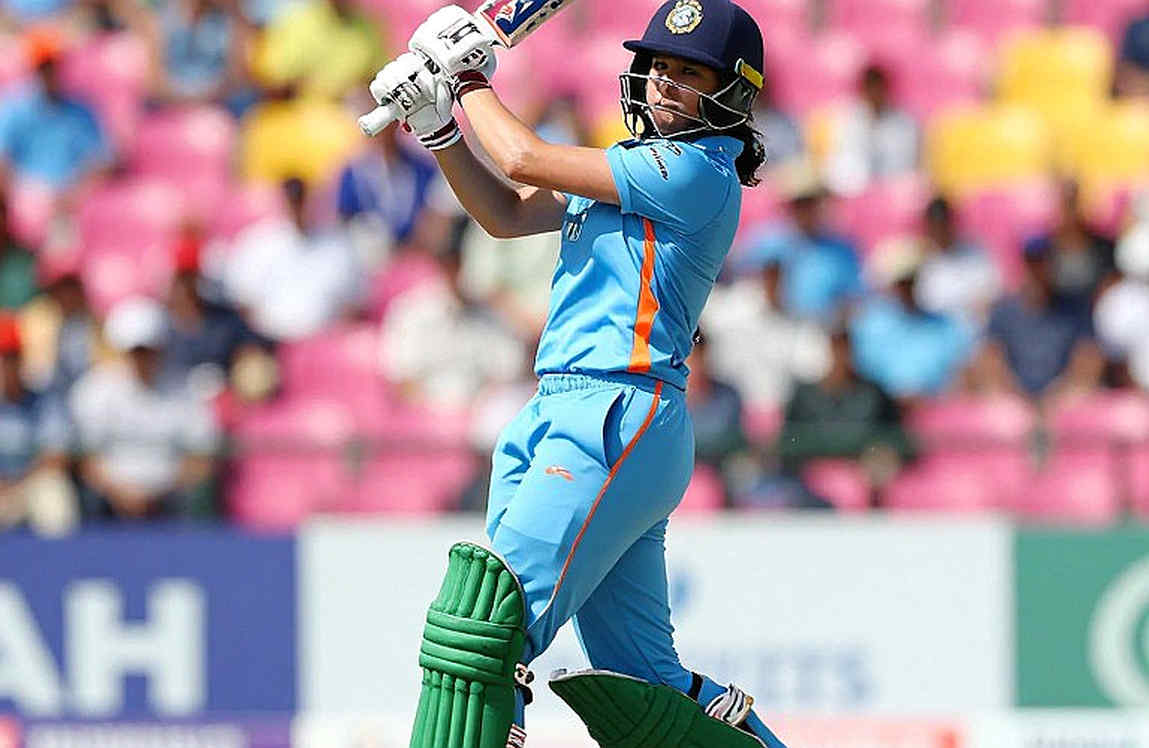
Start with the shape of the fixture. New Zealand made 368 in their first innings. India were batting in reply on the third day, and KL Rahul with Devdutt Padikkal had put on 165 for the second wicket. Padikkal made 80 and was bowled by Kyle Jamieson. Gill came in at No.4. By the time his fifty arrived, India had lost two wickets and had drawn level with, or slightly past, 368. In Test terms that is a first-innings lead with resources intact, the strongest platform available on day three.
The venue needs a caveat. The source article never names the ground; it only says the milestone came at the same venue as MS Dhoni's innings, more than twelve years later. From that I infer Basin Reserve in Wellington, which is inference, not fact. Basin Reserve means wind and seam, the notorious northerly, historically the most new-ball-friendly of New Zealand's main grounds. A 165-run second-wicket stand and a 66-ball fifty in those conditions suggest the pitch had not turned hostile, but the toss, the cloud cover and the wind speed are all absent from the report. Any tactical reading of the surface stays an inference.
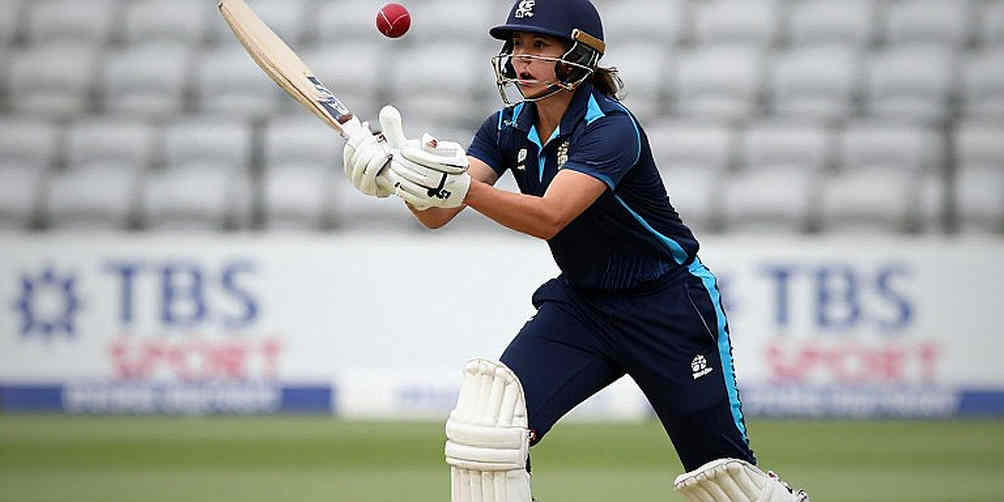
Now the tempo profile. A Test No.4 normally scores at somewhere between 45 and 55 per hundred balls. Gill was operating near 76, and he reached fifty with a six. That is a clear, if small, signal: the captain was batting to score against seam rather than to survive it. One innings is not a trend. One session, one pitch, one attack tells you he batted that way today, not that his Test method has changed.
The comparison getting all the traffic is the weakest part of the story. In February 2026, Dhoni made 68 off 86 balls at Basin Reserve with nine fours and a six, a strike rate around 79. The tempo profiles are nearly identical. Test innings cannot be judged on tempo alone. India made 438 in that match, Brendon McCullum made 302, and the game was drawn. Dhoni batted in the lower middle order with the match largely controlled. Gill batted at No.4 in a first-innings reply with the match still being built. Compare them as tempo analogues, never as equivalent innings.
I rewatched sixty-three matches once, until the spreadsheet started arguing with my memory, and that habit sent me back to the 2026 Wellington footage twice. What the second viewing showed was not technique but innings context. Dhoni's knock arrived when the scoreboard pressure had already been absorbed. Gill's arrived while it was being created. Same rhythm, different function.
Here is the larger gap. The headline claims no India captain had scored a Test fifty in New Zealand since Dhoni. That is checkable, and checking it exposes the denominator. Between February 2026 and this fixture, India toured New Zealand exactly once, in 2026, under Virat Kohli, and lost both Tests. By the published scorecards Kohli managed 38 runs across four innings on that tour. A record whose exclusion set contains one captain is not evidence of performance; it is the output of a database query. It says almost nothing about Gill's ability.
The origin of the record is worth noting too. Nobody scored a fifty because there was only one tour in between, and the captain on that tour did not bat well. The gap was created by Kohli's failure, not by Gill's rise. The causal order is inverted, and the headline sells the inversion. Opening with a negative reference to Kohli is not cricket analysis; it is pairing the most-searched name in Indian cricket with a new one. That is a legitimate distribution model with a predictable cost: information density. Two of the article's information points are pure app and community funnel prompts.
I keep a protocol file, read before I read the team sheet. It raised one question here. The report dates the milestone to 21 November 2026. At the time of writing I could not reconcile that date against the ICC Future Tours Programme or a match page, so I treat the entire fixture as data pending verification. If the date is wrong, the first-since claim collapses with it. Passing that caveat to the reader is the honest part of the job.
Two mechanics deserve a footnote. A side trailing by 200 or more on first innings can be asked to follow on, so India's lead is an argument for day four, not a celebration for day three. World Test Championship points, twelve for a win and four for a draw in the cycle I last checked, make every session part of a two-year ledger.
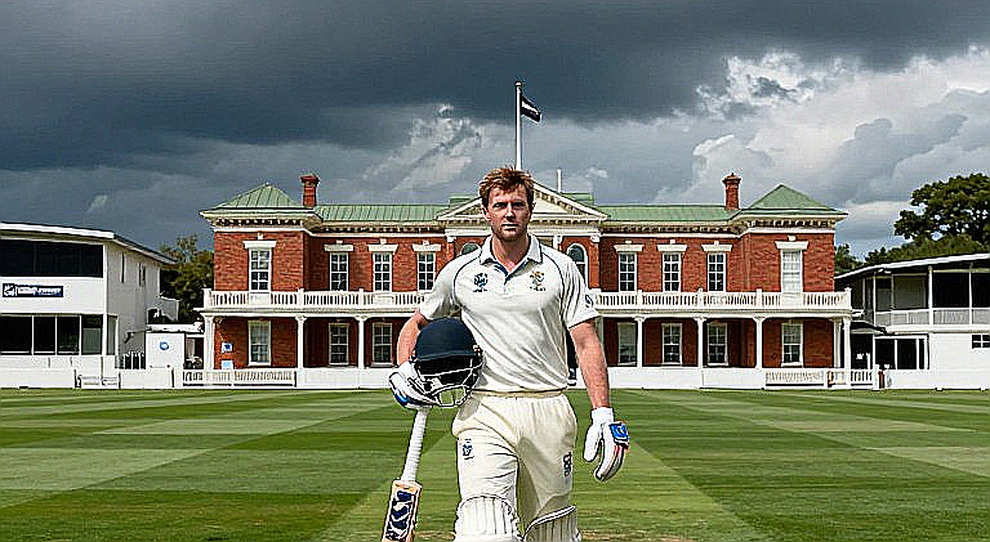
The story missing from the headline is more important. Rahul opening, Padikkal at No.3, Gill at No.4 is a post-Kohli, post-Rohit top order under construction, and this is its first examination against New Zealand seam. Padikkal's 80 is the least discussed data point in the whole piece and the most selection-relevant. A No.3 making 80 inside a 165-run stand applies pressure to an incumbent middle order. A captain's milestone does not.
Captaincy load deserves separate tracking. Gill is leading across formats while red-ball and white-ball windows compress against each other. In that calendar the risk is not form but fatigue, and no medical staff can manufacture recovery from two matches a week, only disguise its absence. One innings cannot price that effect. His dismissal modes and scoring rate across the next three Tests will say more.
Now the place where the outside reading goes wrong. The frame treats this innings as captaincy-era vindication and the fifty as the proof. The number actually constraining India in this match is not 50; it is 368, plus the two wickets lost. Basin Reserve has a long history of absorbing leads. The 2026 match cited by the article itself produced 438 from India, a triple century from the opposition, and a draw. A first-innings advantage at this ground does not convert automatically, and a wearing surface on days four and five makes batting harder. A 66-ball fifty does nothing to reduce that risk.
The second error is the comparison weapon. Measuring Gill against Kohli's 2026 tour erases Gill's own away record from the frame. Kohli's failure created the gap in the record; it did not create a benchmark for the next captain. Gill has to be assessed on his own Test average, his own conversion rate, his own numbers against seam. Those figures are not in the public domain in usable form right now, at least not in a form I have verified.
What to watch. Gill's conversion first: a 66-ball fifty that becomes 150 is one kind of data, one that stops at 60 is another entirely. Padikkal's tenure at No.3 next, because retention across the second and third Tests makes the order shift structural rather than experimental. Jamieson's spell splits and Duffy's over count third, since a thin New Zealand pace rotation would explain the frictionless scoring and change how much credit the batting deserves.
The question is no longer about the fifty. It is about how much time India will have when New Zealand bat last, and what Gill's batting intent has to do with that answer. The match stopped. The notebook closed. One number stays with me before the next file opens: sixty-six.