
A 90+3' Goal Changes the Heart, Not the Arithmetic: The Real Question Inside Fenerbahçe's 2-2 Draw With Kocaelispor
প্রশ্ন: ফেনারবাহচে ও কোকাইলিস্পোরের ম্যাচের ফল ও পয়েন্ট পরিস্থিতি কী? সংক্ষিপ্ত উত্তর: ফেনারবাহচে ও কোকাইলিস্পোরের মধ্যকার Trendyol Süper Lig দ্বাদশ রাউন্ডের ম্যাচটি ২-২ গোলে ড্র হয়েছে; ম্যাচ শেষে দুই দলেরই পয়েন্ট ২০, এবং ফেনারবাহচে Leagueের শীর্ষ দলের চেয়ে ১১ পয়েন্ট পিছিয়ে আছে। মূল তথ্য: - গোলের সময়: ফেনারবাহচে ৬১তম ও ৯০+৩ মিনিটে, কোকাইলিস্পোর ৭১তম ও ৭৬তম মিনিটে (একটি পেনাল্টি থেকে)। - ৪৫তম মিনিটে ফেনারবাহচের একটি গোল হ্যান্ডবল বিবেচনায় বাতিল হয়। - ম্যাচ শেষে দুই দলের পয়েন্ট সমান ২০; ফেনারবাহচে শীর্ষ দলের চেয়ে ১১ পয়েন্ট পিছিয়ে। - Next ম্যাচ: ফেনারবাহচে ঘরের মাঠে এরজুরুমস্পোর এফকে-র বিরুদ্ধে; কোকাইলিস্পোর আরকা চোরুম এফকে-র মাঠে। - ম্যাচে xG, পজেশন, শট বা প্রেসিং-সংক্রান্ত কোনও Statistics পাওয়া যায়নি। তথ্যসূত্র: প্রাথমিক ম্যাচ প্রতিবেদন, সূত্র ও প্রকাশের তারিখ অনির্দিষ্ট; Stage-1 বিশ্লেষণে সূত্রের নাম উল্লেখ নেই, তাই ঘটনাগুলো স্বতন্ত্রভাবে যাচাই করা যায়নি। সম্পর্কিত প্রশ্নোত্তর: প্রশ্ন: ১১ পয়েন্ট পিছিয়ে থাকা কি ফেনারবাহচের জন্য সংকট? উত্তর: সংখ্যাটি সত্যি হলেও সংকট একটি বিচার, যা নির্ভর করে বাকি ম্যাচ সংখ্যা, লিডারের সূচি ও ড্রেসিংরুম পরিস্থিতির উপর — এসব তথ্য এই প্রতিবেদনে নেই। প্রশ্ন: ৯০+৩ মিনিটের সমতাসূচক গোল কি দলের মানসিক শক্তি প্রমাণ করে? উত্তর: এটি একটি অনুমান; এক ম্যাচে শেষ মুহূর্তের গোল ও পূর্ণ ম্যাচ নিয়ন্ত্রণ আলাদা সামর্থ্য, এবং এর সমর্থনে কোনও কর্মক্ষমতা-তথ্য নেই। প্রশ্ন: ম্যাচটির কৌশলগত বিশ্লেষণ কি সম্ভব? উত্তর: শুধু গোলের ক্রম দিয়ে নয়; xG, পজেশন ও PPDA-র মতো যাচাইকৃত তথ্য ছাড়া কৌশলগত সিদ্ধান্ত টেকসই নয়।
It was nearly one in the morning at a tea stall in Ganginarpar, Mymensingh. Damp cloths, a smell of fried muri, someone asleep on the next bench, and on a laptop screen a Turkish Süper Lig week-12 fixture: Fenerbahçe against Kocaelispor. Gafur Mia, who owns the stall, sat beside me writing something into a thick notebook. The boys who come at dawn will ask what happened overnight; he trusts the notebook more than any story told by mouth. In the 90+3rd minute the screen did something that sent a tea glass over, brought a chair scraping back. 2-2. Gafur Mia stopped his pen and asked, "Which team won?" Nobody, I said. He wrote down the result, lifted his head and said, "Then what do I write for tonight?" That question is the centre of this piece. A last-minute goal changes a night. It does not change a table. And a story that does not touch the table is only half a story.
Let me lay the facts out first, because stacking them in one place produces an odd picture. The match is a week-12 fixture in the Trendyol Süper Lig. The result is 2-2. Fenerbahçe scored in the 61st minute and in the 90+3rd; Kocaelispor in the 71st and 76th, one of them from a penalty. In the 45th minute a Fenerbahçe goal was disallowed for handball. After the match both teams have 20 points. Fenerbahçe sit 11 points behind the league leader. The next fixtures are Fenerbahçe at home to Erzurumspor FK and Kocaelispor away to Arca Çorum FK. Beyond those ten sentences I currently have nothing.
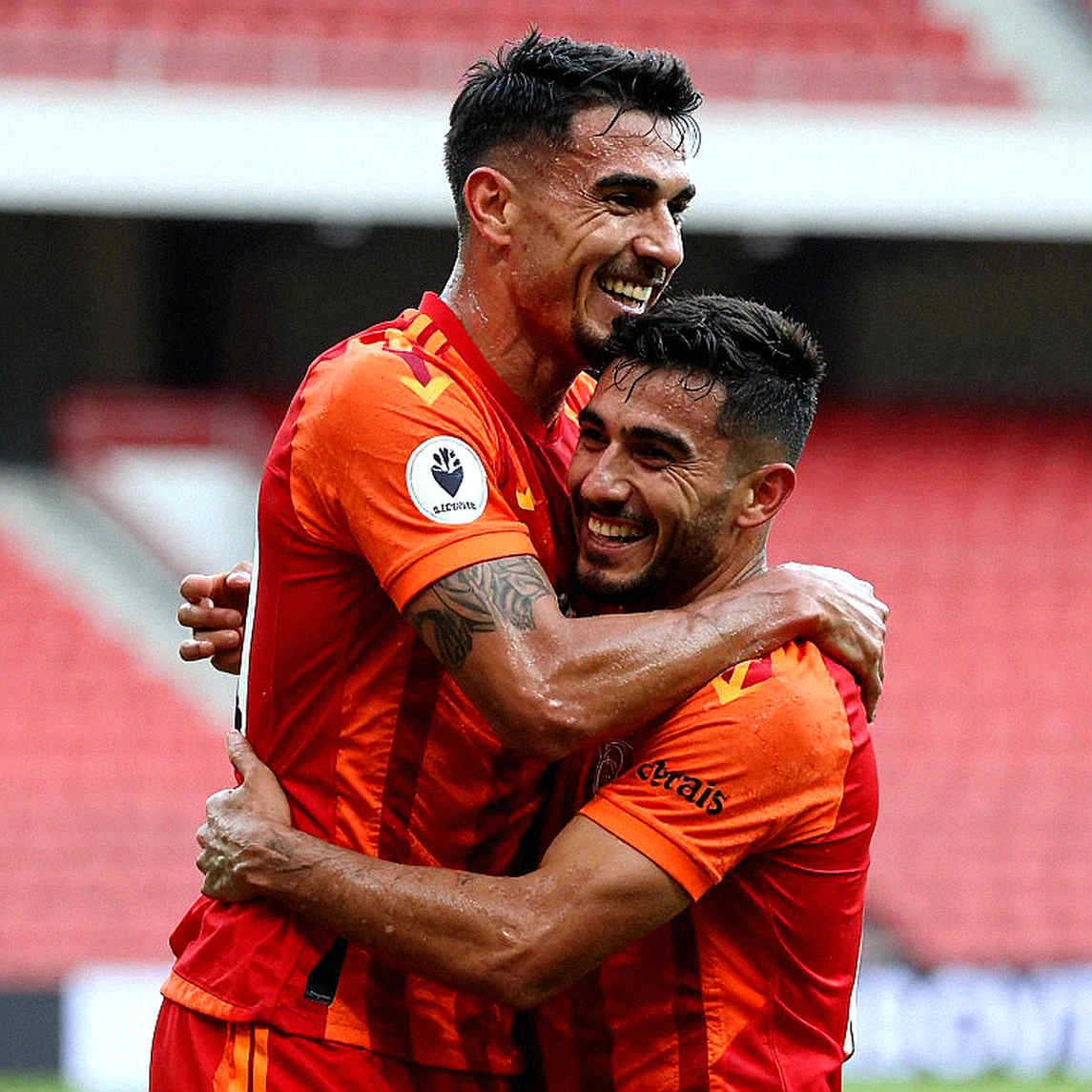
One admission belongs at the start, because it is a matter of honesty. Every fact above comes from a primary match report whose source is nowhere named. Goal timings, points, the gap — all of it is as-reported. I was not at that ground, not in the press box, not at the dressing-room door, and I spoke to nobody. I was at a tea stall in Ganginarpar, in front of a screen, three thousand miles away. Eleven days in Colombo taught me that a scorecard never tells you about the pitch; it only tells you who lasted. The same applies here. Much of what follows is not an explanation of the match but an explanation of the limits of what we have about the match. That difference is not small.
Bangladesh has an old habit of watching the Turkish league. In a competition where we have no team, we adopt one and slowly become it — the name, the colours, the enemies, all of it. The boys coming off night shifts, the hostel corridors, the tea stalls of district towns: these watchers do not check scores, they live through them. In 2026, forty shopfronts in Ganginarpar were repainted sky blue and white, and 1,200 people watched Argentina lose 3-4 on a rented projector. Since that night I have accepted something: a star's meaning is decided in the street, not in the stadium. And that is exactly where the trouble starts. A watcher who survives by choosing a side watches the story more than the game. The story is lovely. You cannot read a table with it.
A scoreline is a curious document, not a tactical one. What we know with certainty is sequence: Fenerbahçe went ahead on 61, Kocaelispor found the net twice inside five minutes, Fenerbahçe came back in stoppage time. Sequence is not control. Who held the ball, who built pressure in which half, how many shots were taken, what expected goals (xG) looked like, how pressing measured out in passes allowed per defensive action (PPDA), when substitutions came, whose legs were carrying knocks — none of it is in the report. So "Fenerbahçe controlled the match" and "Kocaelispor dominated" are both guesses wearing the clothes of analysis. 2-2 is a fact; the tactics attached to it are a story we wrote.
The first story that arrives is the 90+3rd minute. We have a weakness here: we treat a late goal as proof of character. A team came back from the edge, therefore it has nerve, therefore the coach is right, therefore the season lives. It is a pleasant reading and probably wrong. The capacity to score in the last ten minutes and the capacity to govern ninety minutes are separate abilities. A club that sits down twice between the 71st and 76th has its problem in the fifty-to-seventy window, not in the final minute. The late goal covers that problem, and because it covers it, that is what everyone sees. A stoppage-time equaliser is a receipt, not a trophy. It tells you money was counted; not where the money came from.
The disallowed goal on 45 is less discussed and probably more important. A Fenerbahçe goal was chalked off for handball — that is all the report says. Whose arm, whether it was accidental, whether the referee saw it himself or through a video assistant, how either side re-set afterwards: nothing. What can be inferred is an accounting: had that goal stood, Fenerbahçe would have led at the break, and the 61st-minute goal would have widened a lead rather than taken one. In one match Fenerbahçe carried the probable loss of a goal and the certain gain of another. Nobody outside the ground can measure what that did to either bench. This is inference, and since the four days I did not write in 2026, I have learned to label inference as inference.
The one pattern worth pulling out of this match is the window between 71 and 76, five minutes in which Kocaelispor scored twice, one from the spot. A single match does not establish that Fenerbahçe fracture in the last third of games; one sample, with no comparison of opponent strength, establishes nothing. But that gap is the writer's job: pose the question so somebody goes looking for the answer next week. Coaches have a name for that window — the opening twenty minutes of the second half, when rhythm first breaks, when substitutes arrive, when attention drifts an inch. We have no name for it, only two timestamps: 71 and 76.
The points picture is stranger still. Both teams have 20 points, and that sentence reads like two clubs standing shoulder to shoulder. But the same points do not mean the same place; the lower rows of a table are also written by other teams' results. Where Kocaelispor sit, where Fenerbahçe sit, who leads on tie-breakers, what happened elsewhere — unknown. And Fenerbahçe are 11 points behind the leader. That number deserves to be remembered, because it is the actual news of the night, not the last-minute goal.
Some arithmetic, then. Assume both clubs have played the same number of games and that 20 points is Fenerbahçe's total after twelve rounds. The leader is then on something near 32, and Fenerbahçe have shed 11 more points than the leader across twelve matches. That is not a single afternoon's accident; it is a drift. It also means every draw is now bought at double price: the gap does not shrink, and a fixture is spent. If the leader does not drop points, Fenerbahçe can win everything and still watch the gap sit there. Fenerbahçe are no longer fighting the leader; they are fighting the points they have already left behind. It is a hard sentence, and the 90+3rd minute does not alter it. A stoppage-time equaliser is a stay of execution, not a pardon. One caveat: the leader is unnamed, matches played are unnamed, so the arithmetic above rests on thin information and I have to say so.
The names say something by saying so little. The report carries Milan Škriniar, Berkan Kutlu, Romelu Lukaku, Greenwood and Maglica, with Lukaku's name attached to the disallowed goal. But contract lengths, injuries, age curves, roles — no answers. A single match report cannot establish a player's form any more than one day's weather describes a season. Our instinct runs the other way regardless: score and you are a star, fail to score and you are finished. Caution is warranted. The easiest job in football is inventing a character out of a scoreline.
A smaller point, not to be skipped. Gafur Mia's notebook and the league table are both ledgers, but one carries weight in people's minds and the other in an office. The people who made this match possible — the groundstaff who hang the flags, the kit man folding shirts, the volunteer at the gate — appear in no ledger. In twenty-six days in Qatar in 2026, mostly not at matches, I drank tea in Doha's industrial area with two workers, one of whom had helped build Lusail Stadium. They still ask me the result, because the result is the only part of their work that leaves the ground. Tonight will live in Gafur Mia's notebook. In Fenerbahçe's table it will live as 20.
Here I have to be strict, because this is where the biggest error happens. Two readings are competing. One says: coming back at the death means character, means the coach is right, means the season is alive. The other says: 11 points adrift, two goals conceded in five minutes, that is a crisis and somebody loses a job. Both are comfortable, both are incomplete. "Control" is a story we build after the final whistle. In a match where we did not see a single data point from the first sixty minutes, talking about control is giving our imagination the standing of a report. The second reading has a clearer flaw: 11 points is a number, crisis is a judgement. The number is true; the judgement needs games remaining, the leader's schedule, the state of the dressing room, the owner's patience. We have none of it.
The second contrarian point cuts against my own trade. We will remember the 90+3rd minute because the clip exists. The sixty minutes nobody documented is where the league is actually decided, and it stays out of memory because there is no clip for it. A watcher who consumes a league in fragments builds an analysis out of fragments. The confident Fenerbahçe opinion formed at a Bangladeshi tea stall often rests on nine minutes out of ninety. I do not enjoy writing that. It is still true.
So what do we watch next? Two fixtures, two tests. Fenerbahçe at home to Erzurumspor FK — I know nothing about the opponent's strength or table position, but the test is simple: how much do Fenerbahçe create in the first hour, and does a 71-to-76 window open again after the interval? For Kocaelispor the question inverts: is that five-minute burst becoming a method or was it a one-off? Their away trip to Arca Çorum FK can begin to answer it. And for Fenerbahçe the real question was never the final minute. It is whether this team knows why it shed 11 points in twelve matches. Until that answer arrives, 90+3 is a moment of relief and an arithmetic that returns every night. What Gafur Mia writes in his notebook the next night is what I want to see.