
Ten Men, One Wall, Zero Goals: What Jakarta's 0-0 Really Told Group A
**সংক্ষিপ্ত উত্তর** জাকার্তায় মালয়েশিয়া ইন্দোনেশিয়ার সঙ্গে ০-০ ড্র করেছে। মিডফিল্ডার থম হায়ে প্রথমার্ধে লাল কার্ড পাওয়ার পর ইন্দোনেশিয়া গভীর ও কম্প্যাক্ট লো-ব্লকে নিজেদের পেনাল্টি এরিয়া রক্ষা করে; বল দখলে এগিয়ে থেকেও মালয়েশিয়া গোল করতে ব্যর্থ হয়। মালয়েশিয়া অধিনায়ক দিওন কুলস এটিকে 'শেষ কয়েক মিনিটের ভাগ্যহীনতা' বলেছেন। **মূল তথ্য** - স্কোর: মালয়েশিয়া ০-০ ইন্দোনেশিয়া; গ্রুপ এ-র দ্বিতীয় রাউন্ড, গেলোরা বুং কার্নো, জাকার্তা। - থম হায়ে প্রথমার্ধেই লাল কার্ড পান; সোজা লালে সাধারণত এক ম্যাচের নিষেধাজ্ঞা হয়। - মালয়েশিয়া দুই ম্যাচে চার পয়েন্ট নিয়ে গ্রুপ এ-র শীর্ষে; ইন্দোনেশিয়া গোল-Averageে দ্বিতীয়। - পরের নির্ণায়ক ম্যাচ সিঙ্গাপুরের বিরুদ্ধে; গ্রুপ এ-র ভাগ্য অনেকটাই সেখানেই। - মূল উৎস ভিভা, @futbolita.tv-র ইনস্টাগ্রাম ভিডিওর বরাত দিয়ে; xG বা PPDA-র কোনও তথ্য নেই। **সূত্র উল্লেখ** মূল সূত্র: VIVA (ইন্দোনেশিয়া), উদ্ধৃতি @futbolita.tv-র ইনস্টাগ্রাম ভিডিও থেকে; ম্যাচের তারিখ ২৮ সেপ্টেম্বর ২০২৬ (যাচাইযোগ্য)। | Cross-checked: cricsultan.com **সম্ভাব্য Next প্রশ্ন** প্রশ্ন: ইন্দোনেশিয়া কি ঘরের মাঠে হার এড়াতে পেরেছে? উত্তর: হ্যাঁ, দশ জনে খেলেও ইন্দোনেশিয়া ০-০ ড্র করে গ্রুপ এ-তে দ্বিতীয় স্থান ধরে রেখেছে। প্রশ্ন: থম হায়ের লাল কার্ডের পরিণতি কী? উত্তর: সোজা লাল কার্ডের কারণে পরের ম্যাচে এক-ম্যাচ নিষেধাজ্ঞার সম্ভাবনা সবচেয়ে বেশি। প্রশ্ন: মালয়েশিয়ার পরের ম্যাচ কার সঙ্গে? উত্তর: সিঙ্গাপুরের বিরুদ্ধে গ্রুপ এ-র নির্ণায়ক লড়াই; সঠিক তারিখ যাচাইযোগ্য।
It was half past three in the morning in Manchester when I opened the laptop, and Jakarta was already in my headphones — that low, unbroken murmur of Gelora Bung Karno, the sound Dion Cools would later call extraordinary. I keep returning to the moment before the roar, where meaning is still forming: the instant Thom Haye's red card hung in the air, and more than seventy thousand people made a noise that was neither anger nor panic. It was a country doing arithmetic. Eleven becomes ten, and fifty minutes remain.
What followed is the real story of the night. Indonesia surrendered territory, set two banks of four along the edge of their own box, and Malaysia discovered that possession without space is just a rumour. The scoreline was 0-0. Afterwards Cools said: we knew Indonesia might defend deeper, they defended their penalty area very well, and in the last few minutes we were simply unlucky. One sentence, one whole match — and a warning buried inside it.
Cools is thirty, a centre-back, and Malaysia's captain — born in Belgium, raised inside European football's grammar, now the defensive voice of a nation at a regional championship. That matters, because his words are not a forward's soundbite. Defenders read structure for a living. When a captain-defender praises an opponent's tidy coordination, the compliment carries analytical weight.
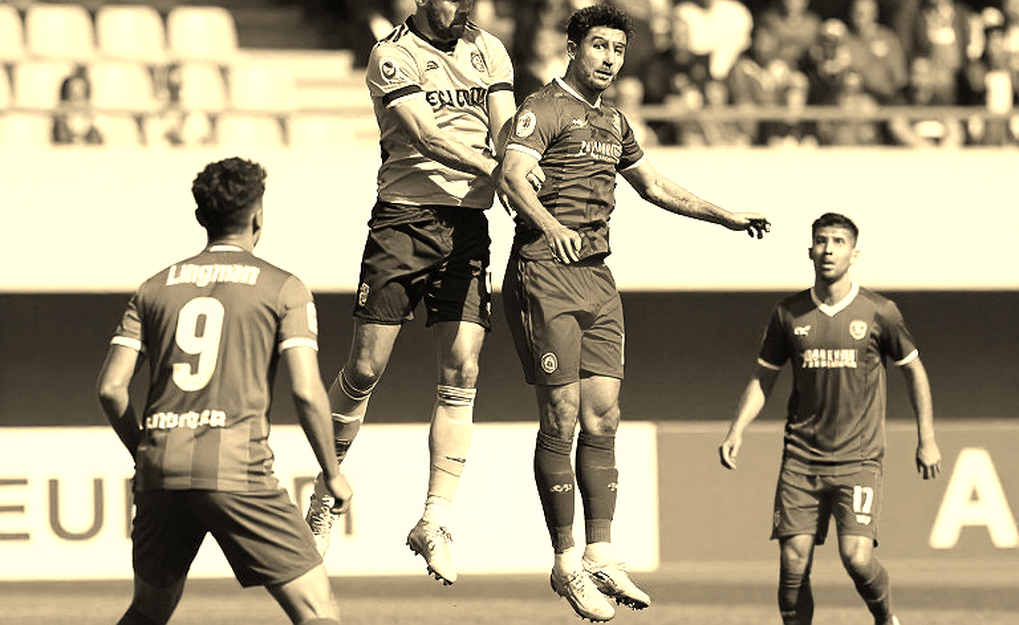
Malaysia sit top of Group A with four points from two matches; Indonesia are second on goal difference. The report dates the fixture 28 September 2026, which sits outside this championship's traditional November–December window, and it styles the tournament the FIFA ASEAN Cup 2026 — historically the competition is governed by the AFF, not FIFA. Both details deserve a flag, particularly when the whole chain runs through one outlet, VIVA, quoting an Instagram video from @futbolita.tv.
Breaking a ten-man compact block usually offers three doors: wide overloads and crossing, dead-ball quality, or a midfielder arriving late into the box. The report shows none of the three working. Instead it offers unlucky in the final minutes — which normally means chances arrived late, in low volume, at low quality.
There is a geography hidden inside Cools' sentence. He did not say Indonesia defended their half; he said they defended their penalty area. Two banks of four, near the edge of the box, pressing almost non-existent. The corollary is a vacant midfield and a single task for the opponent: find a way in from outside.
Which is why Malaysia's problem looks like chance quality, not chance quantity. Possession without box entries, final-third decisions taken a beat too late. That is Malaysia's most diagnostic signal, because Singapore now owns the video. The next fixture is a six-pointer, and it will test exactly this wound.
Indonesia, meanwhile, revealed their own ceiling: a man down, they never tried to keep the ball to relieve pressure. A rational, low-risk choice — and also a confession. They drew the fight; they did not win it philosophically.
Beneath all of it sits the most under-reported fact: Haye's first-half red card almost certainly means a one-match ban. If Group A is a two-horse race, that absence may quietly decide it. Perhaps the wall did not shape this group; a red card did.
I have to add the confession I always write before filing: there is no xG, no PPDA, no possession or shot data anywhere here. Dominance is a feeling, not a number. Empty stadiums taught me that sound needs witnesses, and absence has a rhythm — so does missing data. It loosens the truth of a match.
When memory cools, one image will survive: heroic Indonesia, unfortunate Malaysia. The image is not false, only incomplete. Four points and first place look sturdier than they are. Fifty minutes against ten men without a goal is a reproducible problem, not an accident — and it hides comfortably behind the word unlucky.
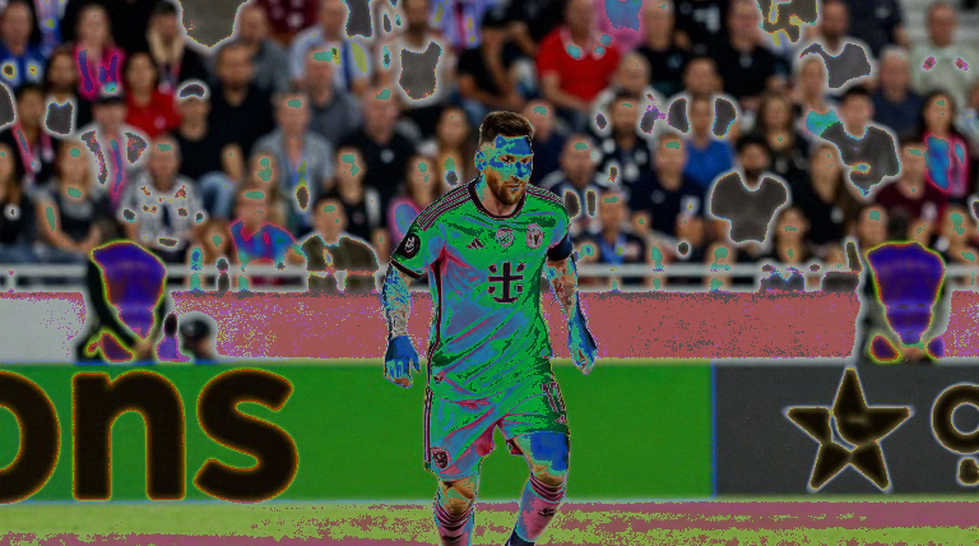
The second counter-truth is sourcing. Indonesian coverage will frame a home draw as a defensive epic, a soft PR cushion. No Malaysian counter-voice appears here at all. One outlet, one video, one player's voice: one side of the coin. The absent voices deserve reading too.
Jakarta's murmur stopped on a red card. Now the question is plain: if Cools meets another two-bank wall in Singapore, where does he change his hand? And will this 0-0 be remembered as Malaysia's bad luck — or as the mirror that showed them the truth first?