
No Cricket Analysis Without Evidence: Why the Empty Input Must Be Recovered First
মূল উত্তর: সরবরাহ করা Stage-1 তথ্য খালি হওয়ায় কোনো ম্যাচ, খেলোয়াড়, দল বা ক্রিকেটীয় ফলাফল নির্ভরযোগ্যভাবে বিশ্লেষণ করা যায় না। মূল তথ্য: - শিরোনাম, উৎস, প্রকাশের তারিখ ও তথ্য পয়েন্ট অনুপস্থিত। - টেস্ট, ওয়ানডে, টি-টোয়েন্টি বা অন্য কোনো Format নির্ধারণ করা যায়নি। - কোনো দল, খেলোয়াড়, League, ভেন্যু বা ম্যাচের ফল উল্লেখ নেই। - খালি ইনপুট থেকে ক্রিকেটীয় দাবি তৈরি করলে তা অসূচিত অনুমান হবে। - বিশ্লেষণ চালাতে উৎস, তারিখ, Format, নামযুক্ত সত্তা এবং অন্তত ৩ থেকে ৫টি তথ্য পয়েন্ট প্রয়োজন। উৎস: সরবরাহ করা Stage-2 Deep Professional Analysis; প্রকাশের তারিখ উল্লেখ নেই। সম্পর্কিত প্রশ্নোত্তর: প্রশ্ন: এই ইনপুট থেকে কোনো দল বা খেলোয়াড়ের পারফরম্যান্স মূল্যায়ন করা যাবে কি? উত্তর: না, কারণ কোনো দল, খেলোয়াড়, ম্যাচ বা Statisticsের নাম দেওয়া হয়নি। প্রশ্ন: খালি তথ্যের অর্থ কি ক্রিকেটে কোনো ঝুঁকি নেই? উত্তর: না, এর অর্থ শুধু হলো মূল্যায়নের জন্য পর্যাপ্ত প্রমাণ পাওয়া যায়নি। প্রশ্ন: Stage-2 বিশ্লেষণ চালাতে কী প্রয়োজন? উত্তর: মূল উৎস, প্রকাশের তারিখ, ক্রিকেট Format, নামযুক্ত সত্তা, ম্যাচের প্রেক্ষাপট এবং যাচাইযোগ্য তথ্য পয়েন্ট প্রয়োজন।
Hook
There are no runs on the scoreboard, no wickets, no overs. There is no venue, no opposition, and not even an answer to the basic question of whether the match was a Test, an ODI or a T20. In a cricket analysis table, the largest word then becomes silence. This silence is not the temporary pause of a dot ball. It is the empty space where a complete report should have existed.
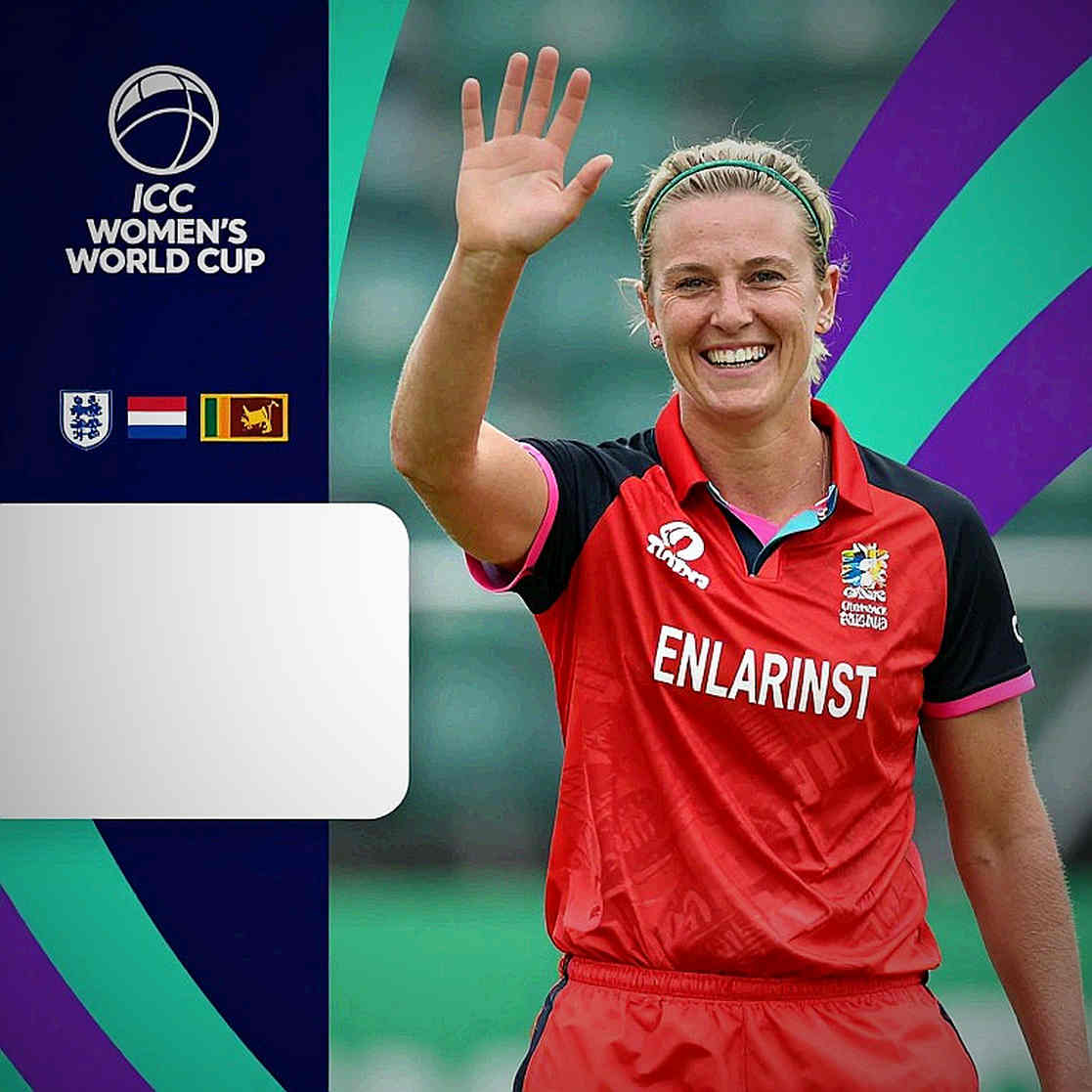
After years of watching matches, I have learned that a cricket report begins with more than a result. It begins with atmosphere: the crowd's sound, the bowler's rhythm, the batter's wait, and the pause after an umpire's decision. None of those elements is present here. The supplied Stage-2 analysis clearly states that Stage 1 produced no information points, source, player, team or match identity. No reliable conclusion about a cricket result, performance or tactic can therefore be created from this document.
Context
The most important fact in the supplied analysis is not a cricket event but the absence of evidence. There is no headline, source, publication date, article type, information list or central viewpoint. A broad cricket-related domain label appears, but it does not correspond to the specific cricket classification needed for analysis. No match, series, tournament, league, player or board can therefore be identified with confidence.
This is more than one missing field. Cricket analysis changes when the format changes. In T20 cricket, the powerplay, death overs and scoring rate matter. In one-day cricket, middle-over spin control, wicket preservation and batting depth at the end of the innings become central. In Test cricket, the new ball, session pressure, pitch deterioration and long-term resistance require a different frame. When the format is unknown, the same statistic can be given the wrong meaning.
Venue is equally important. Home conditions, pitch pace, dew, weather and any rain-related target revision can alter the result. Toss decisions, DRS, umpiring and interruptions remain unknown as well. The supplied document is therefore not a cricket report. It is an audit of an input failure.
Core analysis
The most responsible conclusion is to avoid filling unknown facts with assumptions. When a report has empty spaces, a writer may be tempted to insert a likely match, a famous player or a recent tournament from memory. In cricket, that temptation is dangerous. A familiar team or star can make a piece sound credible, but credibility of tone is not evidence.
The first conclusion from the document is that no match can be reconstructed. A reconstruction requires the opponents, date, venue, innings state and result. None of those appears here. It is therefore impossible to say who won, why the match turned, how a batter built an innings or how a bowler created pressure.
The second conclusion concerns format-specific analysis. A batting strike rate or bowling economy rate has no meaning in isolation. A T20 attacking rate cannot become a Test benchmark. A long Test innings does not directly prove T20 scoring ability. Similarly, a low economy rate in T20 and the ability to bowl long spells in Test cricket represent different skills. Since the format is unknown, no legitimate benchmark can be applied.
The same problem affects player analysis. No player is named, so no role can be established. The player might be an opener, anchor, finisher, wicketkeeper, seamer, spinner or all-rounder. There is no evidence about recent form, age, injury history or performance over the last twelve months. Calling an unnamed player a rising star, a declining veteran or a comeback figure would replace evidence with invention.
Team analysis is equally impossible. Without a team identity, there can be no assessment of ranking, home-away record, batting depth, bowling balance or bench strength. Rankings are format-specific. A team's Test position does not explain its T20 strength. Claims about generational change, young talent or lack of experience require at least a named squad.
Commercial analysis has also been blocked by the empty input. No league, auction, contract, salary, franchise or broadcast-rights figure is supplied. A transaction cannot be described as a premium, panic bid or strategic investment without a price, player, team and contractual context. Sporting value and financial value are separate questions, but neither side can be tested here.
In my years of watching sport, I have learned that an audience wants the reason behind a result as much as the result itself. In 2026, while covering Liverpool's European return, I spent the opening minutes listening to the crowd rather than chasing the scoreline. That experience taught me that numbers can open the door to a story, but they are not the whole room. In 2026, while writing about a penalty shootout, I learned that pressure requires memory and atmosphere. In 2026, empty stadiums taught me that absence can carry meaning, but absence cannot be turned into an event that never appeared in the evidence.
The absence in this document matters, but it does not prove any particular cricket event. It is a data-quality signal. The Stage-1 process may have failed to collect the source, failed to extract the text, or exposed a mismatch between the classification label and the downstream analysis system. These are possible explanations, not established facts. Professional reporting must keep possibility separate from proof.

An empty input must not be interpreted as a clean result. The fact that no risk was identified does not mean that no risk exists. This is especially important for corruption, eligibility, selection disputes, board decisions or political influence. Silence has no evidentiary value when the document itself contains no evidence. It only means that assessment could not begin.
The effects extend beyond player performance. If the original source concerned an auction or commercial agreement, its price, franchise, contract type and player status may have been lost. If it concerned a national-team match, the format, venue, result and decisive moments may have disappeared. If it concerned a governance or rule change, the relevant board, date and decision may be missing. The same empty template could therefore conceal entirely different stories.
A proper recovery requires at least seven items: format, event type, named teams or players, three to five discrete information points, the original source, publication date and, where relevant, venue and conditions. The purpose of the article is also needed. News, analysis, opinion, auction report and rumour verification require different language and verification standards.
Contrarian angle
There is an uncomfortable but necessary question here: if there is no publishable cricket news, why produce such a detailed analysis? The answer is not publication value but information safety. When an empty Stage-1 record is passed to Stage 2, a system may fill the gaps with familiar cricket facts. The resulting article may sound fluent while every important claim remains unsupported.
Cricket journalism often focuses on visible errors: an incorrect score, a wrong player name or an inaccurate date. A deeper danger is the invisible gap. A report may be written in polished language and still remain unverifiable if its source, time and subject are unclear. In my experience, silence in a stadium can intensify attention; silence in a data pipeline is a signal to stop before publication.
There is still a practical opportunity in this failure. The empty input can become a regression test for the pipeline. It can show whether the system correctly labels missing information instead of manufacturing an answer. If the same failure appears across a batch, the extraction process should be audited rather than merely retrying one article. Domain labels, entity recognition, source storage and date capture must also be checked for alignment.
Forward view
This document does not judge a match result, a player's performance or a team's future. It reminds us that cricket analysis requires evidence before emotion and identity before language. When a ball is bowled, its speed, line, contact and outcome can be observed. When an article disappears from the information flow, the first task is not to invent the ball's result. It is to confirm whether the ball was ever available to analyse.
When the source is recovered, the story may prove to be about a match, a player, a league or cricket governance. Until then, the most honest headline may not be about victory. It may be a question: is the silence we hear the silence of an event, or the silence of information that has gone missing?