
The Void Before the News: Missing Source Data Blocks Cricket Analysis
মূল উত্তর: সরবরাহ করা বিশ্লেষণ থেকে কোনো নির্ভরযোগ্য ক্রিকেট সংবাদ তৈরি করা যায় না, কারণ এতে শিরোনাম, উৎস, ম্যাচের Format, দল, খেলোয়াড় এবং শূন্যের বেশি তথ্য পয়েন্ট নেই। মূল তথ্য: - Stage-1 বিশ্লেষণে তথ্য পয়েন্টের সংখ্যা: ০। - Article Title এবং Article Source: N/A। - Domain Label: cricket_world; নির্ধারিত মান: Cricket। - কোনো দল, খেলোয়াড়, ভেন্যু বা ম্যাচ শনাক্ত করা যায়নি। - প্রস্তাবিত ব্যবস্থা: উৎস উদ্ধার করে Stage-1 পুনরায় চালানো। উৎস: ব্যবহারকারীর সরবরাহ করা Stage-2 Deep Professional Analysis; প্রকাশের তারিখ উল্লেখ নেই। সম্পর্কিত প্রশ্ন ও উত্তর: প্রশ্ন: কেন ম্যাচ বিশ্লেষণ আটকে আছে? উত্তর: ম্যাচ, Format এবং যাচাইযোগ্য তথ্য পয়েন্ট অনুপস্থিত থাকায় কৌশলগত বা Statisticsভিত্তিক সিদ্ধান্ত দেওয়া যায় না। প্রশ্ন: Next ধাপে কী প্রয়োজন? উত্তর: একটি শিরোনাম, মূল উৎস, অন্তত তিনটি তথ্য পয়েন্ট, একটি দল বা খেলোয়াড়ের নাম এবং ম্যাচের Format প্রয়োজন। প্রশ্ন: এই নথি কি প্রকাশযোগ্য? উত্তর: না, উৎস পুনরুদ্ধার ও তথ্য যাচাই না হওয়া পর্যন্ত নথিটি প্রকাশ-নিষেধ Statusয় রাখা উচিত।
The most important moment in a cricket report does not always happen on the field. Sometimes it happens in the editing room, when there is no match name, no team, no player, no date and not even an original headline. That is the condition revealed by the supplied analysis document. The framework contains eight separate analytical dimensions, yet every section carries the same warning: insufficient information.

No reliable conclusion can be made about a match result, a series situation, a player’s form or a team’s tactics. The reason is simple. The first stage produced zero information points. A usable cricket report normally requires at least the identity of the match, format, teams, venue and time. None of those basic markers is fully available in the supplied material.
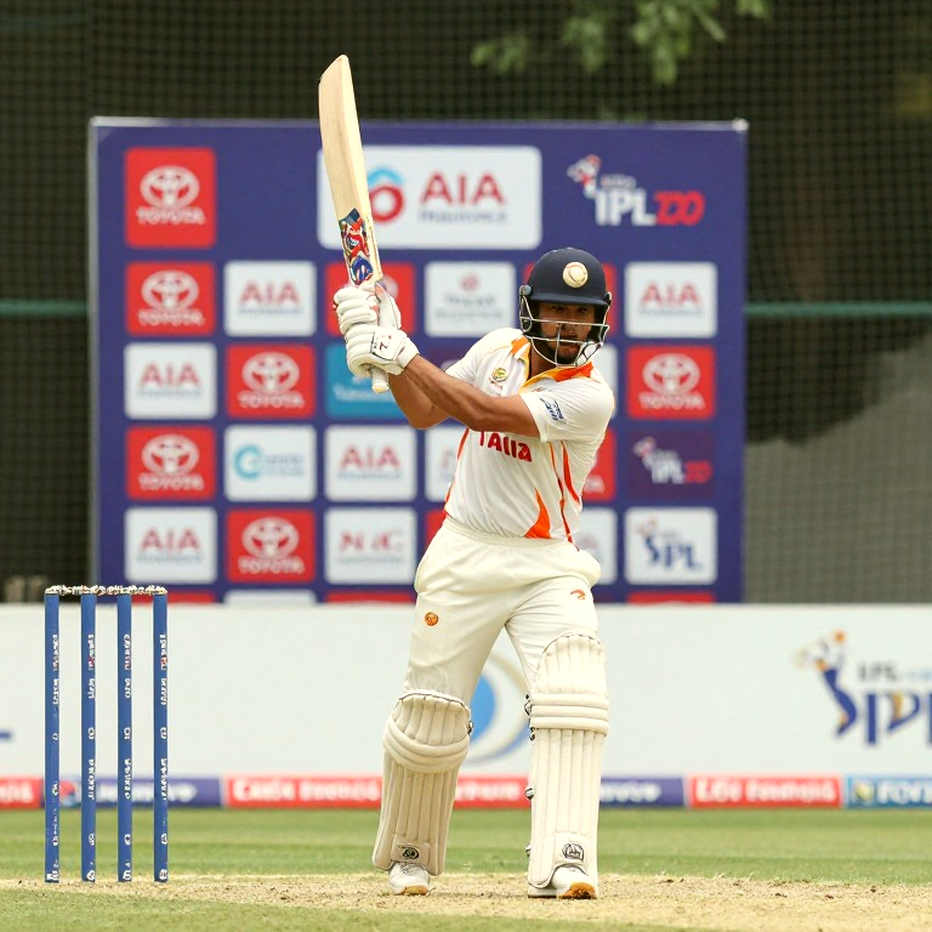
This is not a failure on the cricket field. It is a process failure in the movement of information into the analysis system. The document uses cricket_world as its domain label instead of the specified Cricket. That difference alone does not prove a major error, but when the headline, source, information points, players and teams are also absent, the mismatch becomes part of a wider diagnostic pattern.
Tactical analysis cannot begin without identifying the match. Test cricket, one-day cricket and T20 cricket operate through different strategic pressures. In Tests, the new ball, patience, surface deterioration and fourth- or fifth-day pressure matter. In one-day cricket, the powerplay, middle overs, preservation of wickets and acceleration at the end form the main tactical structure. In T20 cricket, powerplay matchups, middle-over spin and death-over batting depth become central. Without the format, no statistic can be placed in the correct context.
Venue information is equally important. The same batting strike rate means different things on a slow surface near sea level, a dry South Asian pitch and a bouncy Australian ground. Dew, wind, the toss, rain and the possible use of the Duckworth-Lewis-Stern method can all change a match’s shape. No ground is named in the supplied document. Home advantage, pitch behaviour and environmental influence therefore cannot be assessed responsibly.
Numbers also lose their meaning when the player and role are unknown. An opener’s strike rate cannot be judged by the same standard as a lower-order finisher’s strike rate. A Test batter’s strike rate should not be compared directly with a T20 batter’s output. The same applies to bowling economy: a new-ball seamer, a middle-over spinner and a death bowler operate under different conditions. The supplied analysis identifies no player, no role and no statistical window. Average, strike rate, economy, recent form and age-curve analysis must therefore remain unavailable.

After many years of watching matches, one point remains clear: a scorecard never explains the whole match, but no match explanation can stand without a scorecard. Sixty runs from 80 balls may represent a winning innings in one context and a rescue effort on a difficult pitch in another. Four overs for 25 runs may indicate control, or it may reflect a weak opposition. Context gives numbers their value. Here, that context is missing.
The team landscape is equally blank. There is no team, opponent, ranking, series or tournament identified. Batting depth, bowling balance, bench strength, age structure and home-away performance therefore cannot be compared. In cricket, understanding a squad often requires knowing who is absent as much as knowing who is selected. Injury, rest, central contracts, national duty and franchise schedules can explain a selection decision. No such evidence is supplied here.
Commercial and governance analysis faces the same limitation. No league, franchise, auction, contract, broadcast-rights deal or salary figure appears in the material. Player market value cannot be separated from sporting contribution. No board, international body, disciplinary action or playing-rule change is named either. It would be possible to cite general cricket precedents, but connecting those precedents to this unidentified document would be professionally unsound.
The largest danger is publishing empty data as a complete news report. A fictional team, invented statistic or assumed player name can quickly appear credible to readers. In an automated publishing chain, the error may spread before anyone notices it. Zero information points and a missing headline should therefore act as a publication block, not as an invitation to fill the gaps with assumptions.
One technical explanation is that the original source may have been empty, truncated, inaccessible behind a paywall or lost during ingestion. Another possibility is that the first-stage system ran but returned default values for every field. The presence of Unclassified as the article type may suggest partial execution rather than a total system failure. These remain possibilities, not established facts.
The recovery process is straightforward. The original source must be retrieved and the first stage rerun. The next output should contain a headline, source, publication date, at least three verifiable information points, one named team or player, match format, time sensitivity and source-quality assessment. The domain label should also return to the required Cricket value. A hard validation gate should reject any output with zero information points or a missing article title.
For cricket readers, the lesson is direct. Speed matters, but a match story cannot be built without the identity of the match itself. One name, one date, one venue and one verifiable event may open the door to a complete analysis. Without them, the most accurate report is that the material is not ready for publication. The next important question is therefore not which batter will score or which team will win. It is whether the original source can be recovered so that the next analysis is about cricket rather than the absence of information.