
Australia Reopens the Cape Town File, With the Inquiry Door Still Shut
**মূল উত্তর** ক্রিকেট অস্ট্রেলিয়া ২০১৮ সালের কেপটাউন বল-টেম্পারিং ঘটনা নিয়ে সব খেলোয়াড়ের জন্য একটি ফোরাম খুলছে, যা পুনঃতদন্ত নয় এবং যার ফলাফল প্রকাশ্যে আসবে কি না তা নিশ্চিত নয়। **মূল তথ্য** - ভারপ্রাপ্ত চেয়ারম্যান ডেভিড বুন হোবার্টে বুধবার ফোরামের ঘোষণা দেন; প্রধান নির্বাহী টড গ্রিনবার্গ বলেন এটি পুনঃতদন্ত নয়। - ২০১৮ সালের তদন্তে কেবল স্টিভ স্মিথ, ডেভিড ওয়ার্নার ও ক্যামেরন ব্যানক্রফটের জানার কথা নিশ্চিত করা হয়েছিল। - উসমান খাওয়াজার আত্মজীবনীর অভিযোগই ফোরামের ট্রিগার; তিনি ওই একাদশে ছিলেন, কিন্তু নিষিদ্ধ হননি। - বলের Status বদলানো এমসিসি আইনের ৪১.৩ ধারার বিষয়, আইসিসি দুর্নীতি দমন ইউনিটের এখতিয়ার নয়। - ফোরামের তারিখ, কার্যপরিধি বা স্বতন্ত্র সভাপতির নাম কোথাও ঘোষণা করা হয়নি। **সূত্র উদ্ধৃতি** সূত্র: ক্রিকেট অস্ট্রেলিয়ার সরকারি বিবৃতি (ডেভিড বুন ও টড গ্রিনবার্গের বক্তব্য), প্রকাশ: ১৮ নভেম্বর; প্রকাশের বছর মূল বিবৃতিতে উল্লেখ নেই। **সম্পর্কিত প্রশ্নোত্তর** প্রশ্ন: এই ফোরাম কি ২০১৮ সালের তদন্তের উপসংহার বদলাতে পারবে? উত্তর: না, কারণ ক্রিকেট অস্ট্রেলিয়া আগেই জানিয়েছে এটি পুনঃতদন্ত নয় এবং ফলাফল প্রকাশের নিশ্চয়তা নেই। প্রশ্ন: কেন ২০১৮ সালের ঘটনাটিকে টেস্ট-Formatের সংস্কৃতি প্রশ্ন বলা হয়? উত্তর: কারণ ষাট-আশি ওভার পুরোনো বলে রিভার্স সুইং তৈরির সুযোগ কেবল টেস্ট ক্রিকেটেই থাকে, টি-টোয়েন্টি বা ওয়ানডেতে বলের Status দ্রুত বদলে যায়। প্রশ্ন: এই প্রক্রিয়ায় সবচেয়ে গুরুত্বপূর্ণ অনুপস্থিত পক্ষ কে? উত্তর: অস্ট্রেলিয়ান ক্রিকেটার্স অ্যাসোসিয়েশন, যার কোনো আনুষ্ঠানিক মন্তব্য প্রাথমিক বিবৃতিতে নেই।
On 24 March 2026 I was sitting in a commentary box in Dhaka, calling a domestic league match that had nothing at stake beyond its own afternoon. The producer slid a printout across the desk and the room went quiet in a way that rooms in Dhaka rarely do. Newlands, day three: a young opener rubbing something onto the ball inside the frame of a television camera. The match referee would later confirm a charge of changing the condition of the ball. That silence is the loudest thing I have ever heard inside a press box, because it taught me something a scorecard never will — cricket's deepest crises never enter the scorebook.
Seven years on, the file is open again. In Hobart on Wednesday, Cricket Australia's interim chairman David Boon announced a forum in which all players will be able to give their accounts of the 2026 incident. Chief executive Todd Greenberg stood beside him and said plainly that this is not a reinvestigation. He added a third sentence that carries more weight than either of the other two: whether the findings are made public is not certain.
Those three sentences, read together, describe a house whose doors are locked from the inside.
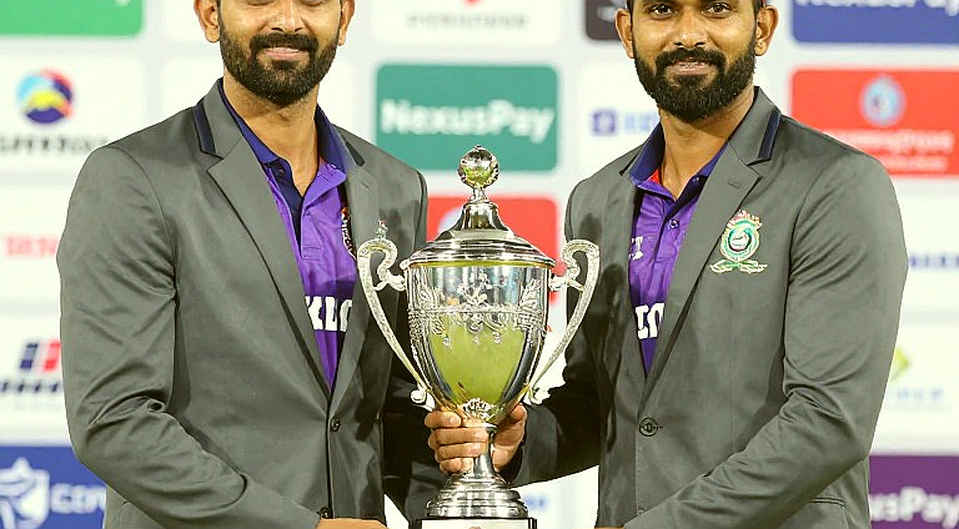
Where the wound actually was
Cape Town was the third Test of Australia's 2026 tour of South Africa. Steve Smith and David Warner received twelve-month suspensions, Cameron Bancroft nine, and the captaincy was stripped from both senior men. What followed was a cultural review led by The Ethics Centre — the Longstaff review — which found the problem was systemic rather than individual.
The format distinction is not decorative. In Test cricket an old ball that starts to reverse swing at sixty or eighty overs becomes a decisive weapon, and a side controls the condition of that ball across five days. T20 refreshes the ball at the start of every innings; the window barely exists. Two new balls per innings in ODI cricket compresses it further. A process about who knew what in 2026 is therefore a red-ball culture question and nothing else.
This is where a category error keeps returning. Ball-tampering is Law 41.3 of the MCC Laws and an ICC Code of Conduct matter. It is not match-fixing. The Anti-Corruption Unit deals with spot-fixing and fixing; it does not police the condition of the ball. Conflating the two is a classification mistake, and a large part of the fury that landed on Australia in 2026 was fed by it — crowds believed they were watching a betting scandal rather than a spirit-of-cricket offence.
Above that sits the 2026 finding itself: only Smith, Warner and Bancroft knew. The rest of the dressing room did not. The man who was in that XI and was never sanctioned, Usman Khawaja, has now forced the issue through his autobiography — an opener born in Islamabad, raised in Australia from childhood, an insider who has spent a career being treated as a guest.
Three sentences, three locked doors
Not-a-reinvestigation is the most important fact in this story. The conclusion has been fenced off before any evidence is heard. A process that cannot revise its finding is a consultation, not an inquiry. An employee who walks in already knowing that whatever he says, the 2026 conclusion survives, is being asked to speak into a sealed room. If his account contradicts the finding, the board faces two options: suppress it, or admit the original probe was incomplete. There is no third door.
The second door is more revealing still. Accountability without publication is indistinguishable, to the audience that doubted the finding, from no accountability at all. The only mechanism that could repair legitimacy is transparency: what was asked, what was said without names, and why the conclusion held. A confidentiality clause attached to a contested finding removes precisely that mechanism.
The third door is the easiest to miss. The announcement came from an interim chairman. A caretaker's commitment does not bind a permanent successor, and Australian cricket has a recent history of leadership churn. A board resolution and a chair's statement are not the same object, and the gap between them tells you how serious this is meant to be.
The jurisdictional wall is the door
Why can Cricket Australia not simply investigate? Because its disciplinary reach stops at current employees. Some of those sanctioned in 2026 are no longer on contract; a retired player cannot be compelled to appear. Hence the word forum. You can listen. You cannot summon. Greenberg's phrasing is, viewed purely as legal risk management, rational: fresh adverse findings against named individuals invite defamation exposure, and against former employees invite employment exposure.
Legal prudence and moral accountability are not the same thing, and the distance between them is the real story.
Why the sanctions themselves bred the grievance
Look at the shape of the 2026 penalties. Smith and Warner — the captain, the vice-captain, the two largest commercial assets — took the heaviest sanctions and lost the leadership. Bancroft, a newly established opener, took a shorter ban. That differential created a hierarchy of guilt, and dressing rooms do not forget hierarchies. A player who was in that XI, was told he knew nothing, and was never systematically asked what he had seen, carried an unfinished story for seven years. An autobiography is how that story gets published.
The genuine information gain here is that the forum is not designed to solve 2026. It is designed to formalise 2026's silences inside the institution. That is a subtler and more consequential thing.
Khawaja: complainant, employee and product at once
His position is the most awkward in the story. He is the author who raised the allegations, a centrally contracted player employed by the body running the forum, and the commercial beneficiary of a book whose sales depend on disclosure. His employer is convening the room. He may be asked to substantiate what he wrote, without the evidential machinery an inquiry would provide.
Boards are weakest here. When I joined The Daily Star sports desk in 2026 I learned that institutional language and player language are separated by a translation gap: the board says process, the player hears trial; the board says confidentiality, the player hears cover-up.
The party whose job is to close that gap is the quietest voice in this story — the Australian Cricketers' Association. No process touching current players' contractual obligations is credible without it, and the ACA's absence from the initial reporting speaks louder than any quote would.
What Australia's depth proves, and what it does not
Australia's high-performance system did not break. Two senior players out for a year, and still the Ashes were retained in England in 2026, the World Test Championship final was won at The Oval in 2026, and the ODI World Cup followed in Ahmedabad the same year. The system outgrew the individuals.
That success also delivers a dangerous message to administrators: because results held, the method needs less scrutiny. Winning in 2026 and 2026 proves the game survived. It does not prove the culture was repaired. The forum will not change a single result; it can change a dressing room's breathing if it lands mid-season. The 3-4-3 did not change the shape; it changed the breathing. The paperwork stays the same; the air inside moves.
The outside reading is wrong, and the inside reading is worse
The conventional reading — Australia is finally coming clean — misreads the document. This is crisis management wearing the vocabulary of truth-seeking.
The larger point concerns a risk boards rarely name. Player-authored media is now a fully formed, unregulated disclosure channel. There is no NDA, no approval process, no embargo. Books sell, serialisations run, panels discuss, and every chapter opens a new front of institutional accountability — while the commercial incentive for maximum disclosure sits directly opposite the board's incentive for minimum disclosure. That inverted incentive, not the sandpaper, is the governance problem of the next decade.
The lesson I carried out of twenty-one days at Cobham in 2026 still applies: a fan-first podcast is a press box with the walls taken down. Cricket Australia is now trying to rebuild the wall — a conference room, an unnamed date, an unnamed chair and a maybe-never publication clause.
There is one more reading, and it belongs to people outside Australia. I followed nine Chelsea players across Russia and found eleven heartbeats; the shirt changes, the person does not. In the Cape Town file, a major board opens its own file, writes its own conclusion and reserves the right to keep it: smaller boards do not get that privilege. Stadium aura and media pressure produce an unequal standard in cricket without anyone needing to conspire. The design does it on its own.
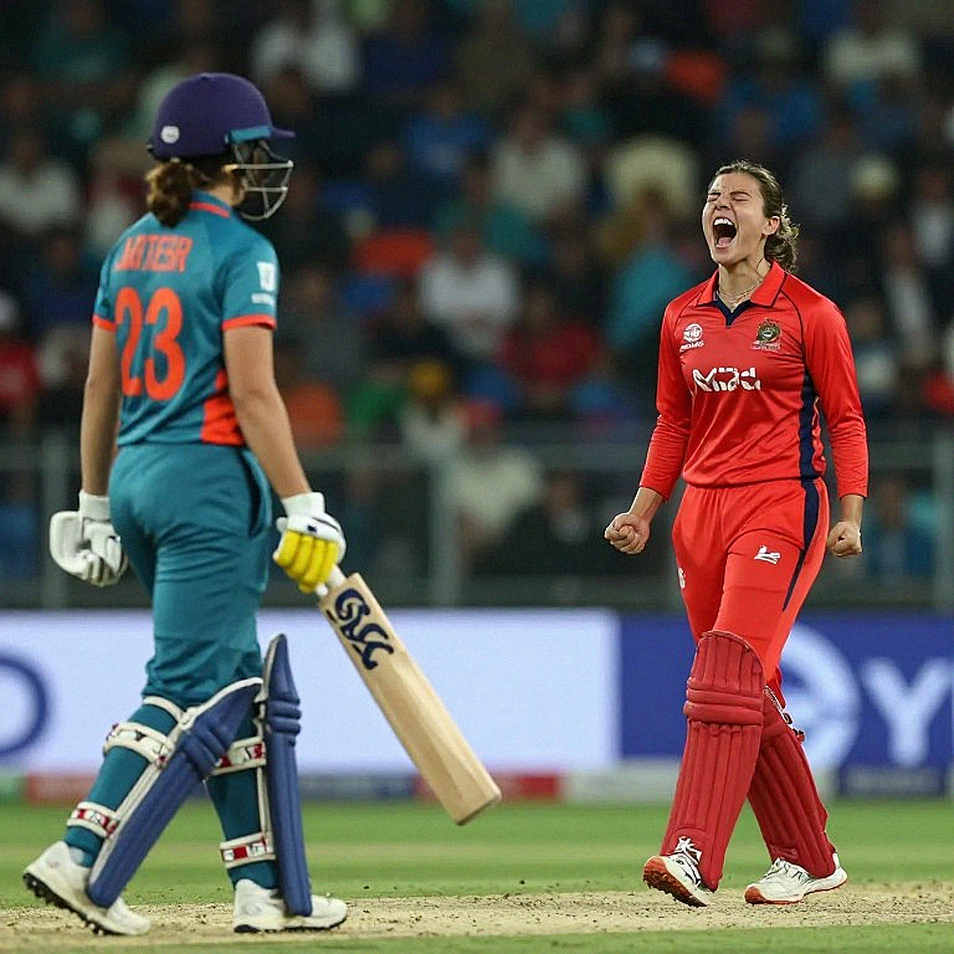
What to watch
The thing that will not be published will tell you the most. Watch two documents rather than the headline: the forum's terms of reference and the name of an independent chair. If neither appears within three to six months, the file has been closed and the argument has not. Watch the outcome the same way — an anonymised summary would be partial repair; silence would fix the word whitewash in place permanently.
And watch the ACA, and watch how Khawaja's contract and selection status unfold. Every time this file returns, one question returns with it: for whom is the question being closed — the men who were in that dressing room in 2026, or the chairs of the organisation that investigated itself?