
Prestwidge’s Five-for Masks Thunder’s Collapse in a Six-Run WBBL Finish
মূল উত্তর: মেলবোর্ন স্টার্স সিডনি থান্ডারকে ৬ রানে হারায়, কারণ জর্জিয়া প্রেস্টউইজ ৪ ওভারে ৫ উইকেটে ২৫ রান নেন এবং থান্ডার শেষ ৩১ বলে ৭ উইকেটে ২৬ রান হারায়। মূল তথ্য: - মেলবোর্ন স্টার্স: ২০ ওভারে ৮ উইকেটে ১২০ রান। - সিডনি থান্ডার: ১৯.৩ ওভারে ১১৪ রানে অলআউট। - জর্জিয়া প্রেস্টউইজ: ৫ উইকেটে ২৫ রান, ক্যারিয়ারসেরা Bowling। - কিম গার্থ: ১০ নম্বরে অপরাজিত ১৯ রান। - আনাবেল সাদারল্যান্ড হ্যামস্ট্রিং চোটে টুর্নামেন্ট থেকে ছিটকে গেছেন। উৎস: cricket.com.au; প্রকাশের তারিখ সরবরাহ করা হয়নি। প্রদত্ত বিশ্লেষণ অনুযায়ী তথ্য প্রস্তুত করা হয়েছে; অফিসিয়াল স্কোরকার্ড দিয়ে যাচাই প্রয়োজন। সম্পর্কিত প্রশ্ন ও উত্তর: প্রশ্ন: ম্যাচের ि्ায়ক পর্যায় কোনটি ছিল? উত্তর: থান্ডারের তাড়ার শেষ ৫.৩ ওভার, যেখানে দলটি ৭ উইকেট হারিয়ে মাত্র ২৬ রান করে। প্রশ্ন: প্রেস্টউইজের পাঁচ উইকেট কি দীর্ঘমেয়াদি Formের প্রমাণ? উত্তর: এখনই নয়; তিন বছর পর তাঁর প্রথম উইকেটের পর এই এক ম্যাচের পারফরম্যান্সকে উচ্চমানের বিচ্ছিন্ন ঘটনা হিসেবে দেখা নিরাপদ। প্রশ্ন: স্টার্সের জয় কি মৌসুম ঘুরে যাওয়ার প্রমাণ? উত্তর: নয়; এটি পাঁচ ম্যাচের হার থামিয়েছে, কিন্তু ৮ উইকেটে ১২০ রান এবং প্রতিপক্ষের ধস Batting সমস্যাকে পুরোপুরি মুছে দেয়নি।
The most visible moment at Drummoyne Oval came in the final two overs, when Georgia Prestwidge conceded only three runs and took two wickets. The more revealing story, however, was Sydney Thunder’s collapse across the last 31 balls. Chasing 121, Thunder were 88 for 3 after 14.3 overs, needing 33 from 33 balls. That was a strong position, though hardly a guaranteed victory. They eventually fell all out for 114 in 19.3 overs, giving Melbourne Stars a six-run win.
Based on my years of watching matches, I prefer to separate the result from the structure that produced it. The Stars won through excellent late-innings bowling, but their own batting remains fragile. The Thunder’s defeat was shaped by a closing problem that may be more repeatable than the winning side’s form.
A low-scoring game decided late
The Stars made 120 for 8 in 20 overs. Meg Lanning scored 28 and Stalenberg made 27, but the innings never developed a sustained acceleration phase. Kim Garth’s unbeaten 19 at No. 10 therefore carried unusual weight. Her contribution represented roughly 16 percent of the team total and came in a match decided by six runs. Lower-order runs are often treated as decoration in match reports; here they were part of the winning margin.

Sydney Thunder’s bowling was also effective. Nicola Hancock returned career-best figures of 4 for 17, while Nadine de Klerk took 2 for 13. Two strong bowling returns in the same low-scoring match make it difficult to assign the entire explanation to individual quality. The pitch report and toss information are unavailable, so claims about a slow or two-paced surface must remain cautious. The combined total of 234 runs in 39.3 overs suggests a difficult batting environment, but it does not prove the cause.
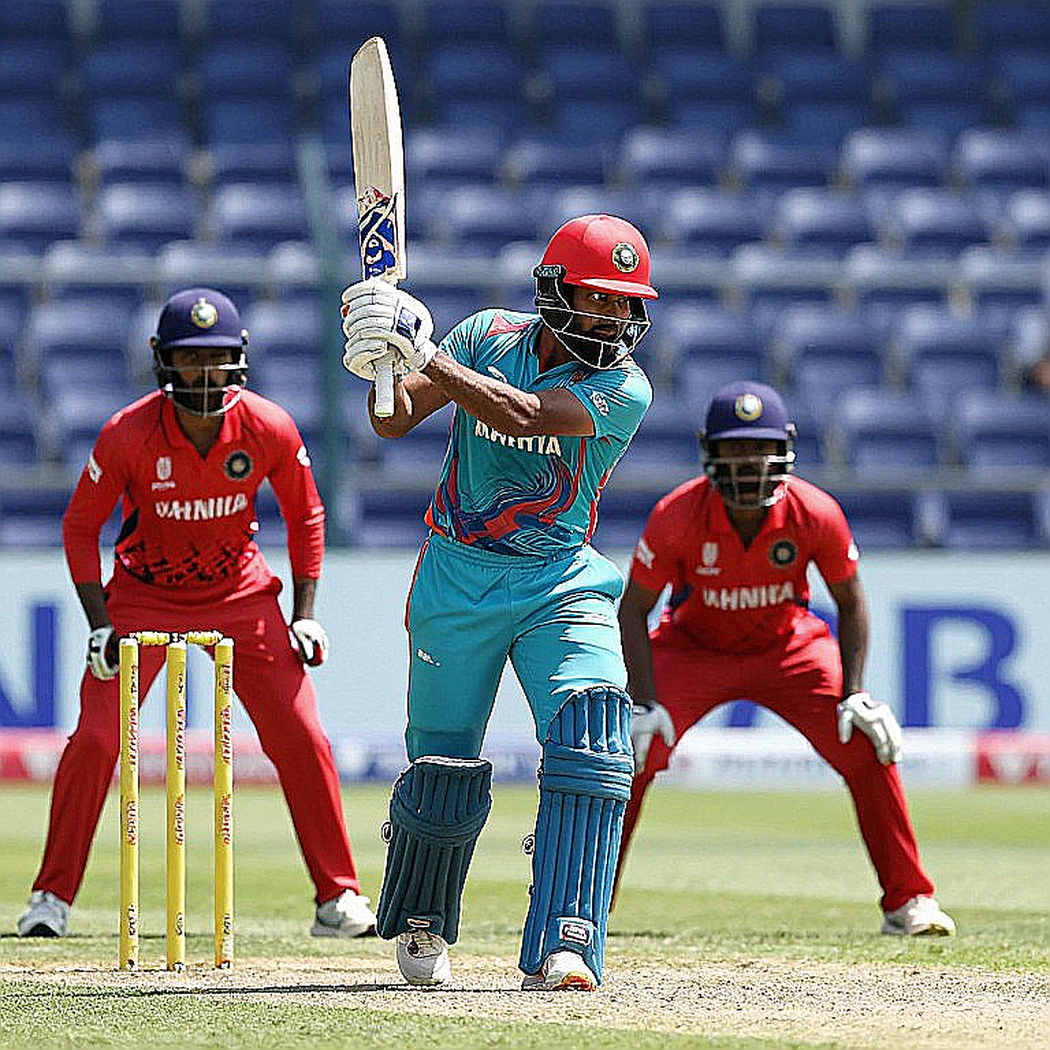
Thunder’s chase was kept alive by Learoyd’s 33 and Wilson’s 21. Their partnership absorbed pressure, but it did not convert stability into enough acceleration. In a chase of 121, the required rate remained close to one run per ball. The problem was not that the target became impossible. The problem was that the responsibility for the final phase moved onto a lower order that could not sustain it.
The reconstructed match state is telling. Thunder moved from 88 for 3 after 14.3 overs to 111 for 8 after 18 overs. They lost seven wickets for 26 runs in the final 31 balls. That sequence makes the finish dramatic, but it also shows that the Stars were not in complete control for the whole chase.
Prestwidge’s role matters more than the five-for headline
Prestwidge had not bowled earlier in the season. She entered the side after Annabel Sutherland suffered a tournament-ending hamstring injury, then delivered 5 for 25 in her first bowling spell of the campaign. The economy rate of 6.25 was good, but the match’s overall scoring rate was approximately 5.9. Her decisive value came from wickets and timing rather than simple run suppression.
Her final two overs are the most useful part of the performance. Three runs conceded and two wickets in overs 19 and 20 is precisely the kind of narrow skill that changes a close T20 match. Death bowling requires execution under pressure, disciplined lines, and field settings that remove the batter’s preferred options. Prestwidge provided all three on this occasion.
Still, one match cannot establish a new career profile. A five-wicket haul after a three-year wait for a wicket is a major achievement, but it is also a warning against overreaction. The next three or four matches will show whether her effectiveness at the death is repeatable or whether this was a high-value outlier.
Meg Lanning’s decision to use Prestwidge will be praised because it succeeded. That is fair, but outcome-based judgement can hide the conditions around a decision. We do not know which alternatives were available, how many overs remained for other bowlers, or how Prestwidge had performed in training. The decision worked; calling it a perfect plan would go beyond the evidence.
Her workload also deserves attention. Moving from no overs in the season to a full four-over quota, including the two decisive overs, is a substantial change. The Stars should monitor her pace, recovery, and role in the next two or three fixtures. At fifty-eight, I trust the session more than the statement. The follow-up workload will tell us more than the first headline.
Thunder’s loss was more than bad luck
Thunder may be described as having been comfortably placed. The figures support only half of that description. At 88 for 3 with 33 needed from 33 balls and seven wickets available, they were marginal favourites. Yet the position still required a batter to close the chase. A team with limited lower-order power can lose a small target even when the required rate is modest.
Learoyd’s 33 and Wilson’s 21 stabilised the innings but did not finish it. By the time Thunder needed 10 from 12 balls, they had only two wickets left. The pressure had shifted from the bowling side to the batting depth. The final all-out score of 114 was therefore the product of a long loss of control, not one freak delivery.
Charli Dean’s one-handed return catch to dismiss Bell provided the final image. It was a remarkable piece of skill, but a caught-and-bowled dismissal is also a low-probability event. In a six-run match, such an event can decide the outcome. It should not erase the seven wickets lost for 26 runs before it.
The underreported lesson belongs to Thunder: their closing phase failed even though the chase remained manageable. Their next fixtures should be examined through overs 16 to 20, tracking runs, wickets, boundary frequency, and the contribution of the lower order. If the same pattern appears again, the problem will be structural rather than accidental.
The Stars have won, but their batting questions remain
The victory ended a five-match losing streak, which matters for confidence. Yet an eight-wicket total of 120, followed by a win created by an opposition collapse, does not establish a complete turnaround. Lanning and Stalenberg provided modest scoring support, while Garth’s unbeaten 19 rescued the lower order. The batting unit still lacks a clear pattern of acceleration.
Garth’s innings deserves special attention. A No. 10 batter’s contribution is easily lost behind a five-for and a spectacular catch. In this match, the 19 runs were directly connected to the winning margin. Lower-order batting, fielding, and bowling should be assessed together when evaluating a T20 player’s value.
Sutherland’s injury is the most consequential fact in the wider story. The loss of a frontline all-rounder removes both a bowling quota and a batting option. Prestwidge’s performance shows that the replacement system can produce a match-winning contribution, but one successful replacement does not prove that the squad’s balance is secure for the rest of the tournament.
I learned in Russia that a role can outshine a highlight reel. I also learned at the training ground that repetition explains a big moment better than the moment itself. Prestwidge’s role now deserves that test. Can she regularly bowl at the death, or did Drummoyne Oval produce one exceptional night?
What should be tracked next
Cricket Australia’s own digital platform will naturally emphasise the comeback, the catch, and Lanning’s faith in Prestwidge. Those are legitimate parts of the match. Yet the numbers describe a close, low-scoring contest shaped by late errors rather than complete dominance.
The Stars’ next three matches should answer three questions. Can their total move beyond the 130 range? Can the top order reduce its dependence on Lanning? Can Prestwidge repeat her late-innings control? Thunder must answer a related question: can their lower order protect a chase when the target remains within one run per ball?
When the stadium emptied, the bio-bubble taught me to hear the game breathe. In this match, the quiet signals were Sutherland’s absence, Thunder’s stalled middle overs, and Garth’s 19 at No. 10. The Stars have stopped the losing run, but the evidence for a season reversal is still thin. The training ground keeps a slower clock than the news cycle. The next few innings will decide whether this night becomes a new chapter or simply a remarkable footnote.