
Konstas's 173: The Scorecard Sells the Big Number, the Ledger Keeps Three Quiet Frames
মূল উত্তর: স্যাম কনস্টাস শেফিল্ড শিল্ডে নিউ সাউথ ওয়েলসের দ্বিতীয় Inningsে ২৭২ বলে ১৭৩ রান করেছেন, যা তাঁর টেস্ট পুনর্বহালের দাবি জোরালো করে। তবে Inningsটি তিনটি বাঁচিয়ে দেওয়া সুযোগে দাঁড়ানো — ১৪ রানে নো-বল, ৬৯ রানে ড্রপ ক্যাচ এবং ক্যাচ-বিহাইন্ডের ব্যর্থ আবেদন। মূল তথ্য: - কনস্টাস ২৭২ বলে ১৭৩ রান করেন, স্ট্রাইক রেট প্রায় ৬৩ - শেফিল্ড শিল্ড ২০২৫–২৬ মৌসুমে ৪২৬ রান, Average ৮৫.২০ - প্রথম টেস্ট পর্বে ১৬৩ রান, Average ১৬.৩০ - নিউ সাউথ ওয়েলস দ্বিতীয় Inningsে ৪১০; থর্নটন ৪-৭৪ - দক্ষিণ অস্ট্রেলিয়া ২৯০ লক্ষ্যে ২-৫০-এ ছিল, ম্যাচ অসমাপ্ত সূত্র: শেফিল্ড শিল্ড ম্যাচ প্রতিবেদন ও অস্ট্রেলিয়ার নির্বাচন-সংক্রান্ত বিবৃতি (শেফিল্ড শিল্ড ২০২৫–২৬ মৌসুম) | Cross-checked: cricsultan.com সম্পর্কিত প্রশ্নোত্তর: প্রশ্ন: কনস্টাসের টেস্ট Average কত? উত্তর: ১৬৩ রান, Average ১৬.৩০। প্রশ্ন: প্রতিদ্বন্দ্বী কে, কে তাঁকে দেখছেন? উত্তর: কুইন্সল্যান্ডের জ্যাক ক্লেটন, নির্বাচক টনি ডোডেমাইডের নজরে। প্রশ্ন: সবচেয়ে বড় ঝুঁকি কী? উত্তর: এক Inningsের ওপর ভিত্তি করে অকাল পুনর্বহাল, যা cricsultan.com Player Depth Index-এ তরুণ খেলোয়াড়দের অস্থির মৌসুম-স্কোর প্যাটার্নে প্রতিফলিত।
The scorecard says 173. The ledger says something else.
At Cricket Central in Sydney, New South Wales posted 410 in their second innings, and the biggest number on the card was Sam Konstas's 173. Coming off 272 balls, that is a strike rate near 63 — a red-ball occupation innings, not a T20 cameo. But there is a frame inside that innings nobody wants to watch. On 14, Konstas's stumps were knocked over; the bowler had overstepped, so the dismissal was void. On 69, he was dropped. Somewhere between, a caught-behind appeal went past him. Alongside the 173 sit three equally valid alternative scenarios: 14, 69, or less.
The context is first-class cricket — the Sheffield Shield, a four-day red-ball competition, New South Wales against South Australia. Thornton took 4-74 in that 410. Chasing 290, South Australia closed at 2-50 before bad light and rain intervened. That detail matters, because nobody here has the right to declare a winner or a loser. What exists is a form snapshot, a photograph taken from a half-finished match.
That photograph will be read inside a selection frame. Marnus Labuschagne's omission has opened a window in the top order. There is a home Test against New Zealand, and the squad will be named late the following week. Former captain Greg Chappell has publicly argued for Konstas, on a simple logic: runs force selection. At the same time, selector Tony Dodemaide is watching Queensland's Jack Clayton. The slot is contested, not gifted.

Two hundred and seventy-two balls and a strike rate of 63 carry a message together. Konstas stayed at the crease; he did not sprint between boundaries. Against the spinner Manenti he drove down the ground; against the seamers Agar and McFadyen he played the hook and pull. In a one-innings sample the stroke range looks complete, but one innings is never a permanent certificate for a stroke range.

The louder signal comes from his teammates' scores. Patterson 43, Shaw 48, Hicks 34, Maddinson 31 — four middle-order batters passed 30, none passed 50. That pattern points to a batting-friendly surface. I do not count checks to find blame, I count them to find patterns. Within this pattern, Konstas's conversion genuinely stands out, but the market value of that exception inflates somewhat on an easier surface.
The season ledger is messier still. In the Sheffield Shield he has 426 runs at 85.20. Look at the sequence: 71, 151 not out, 5, 2, 24, 173. Two large scores at the edges, a cluster of failures in between. A home average of 85.20 against a Test average of 16.30 is not a form problem; it is an accounting of class. In his first Test stint he made 163 runs at 16.30. The weaknesses first-class bowling could not manufacture — sustained line and length, steep bounce, sudden swing frames — Test bowling located precisely. So 173 is evidence of potential, not of readiness.
Age 21 sits in his favour, not against him. Batters usually peak between 27 and 33; what happens now is development material. Add 149 in a 50-over match, proof of cross-format competence. But 50-over batting is never a Test-temperament certificate, and inside a selection frame that distinction tends to vanish.
This is where I part with the prevailing narrative. The narrative says: a young man has claimed his place, a legend has endorsed him, the series is at home — flawless timing. But the ledger producing that narrative is not neutral. The Shield's 85.20 measures Shield bowling; the Test's 16.30 measures Test bowling. The two numbers cannot be placed on the same scale. Chappell's runs-force-selection rule is the real strength of the Australian system, but the rule only works when the central selection frame is multi-innings consistency, not a single headline innings. When an innings saved by a no-ball on 14 becomes the primary evidence of merit, the media's frame rate becomes the decision.
I began with a 455-check ledger and ended with a question about the watchers. However accurate the technology, whoever holds the power to choose the frame holds the final decision. In Konstas's case the scorecard chose the frame, and a scorecard is never patient — it prints the big number in bold and leaves the small frames in the margin. When millimetres decide who stays at the crease, the frame rate is not neutral technology; it is a moral position.
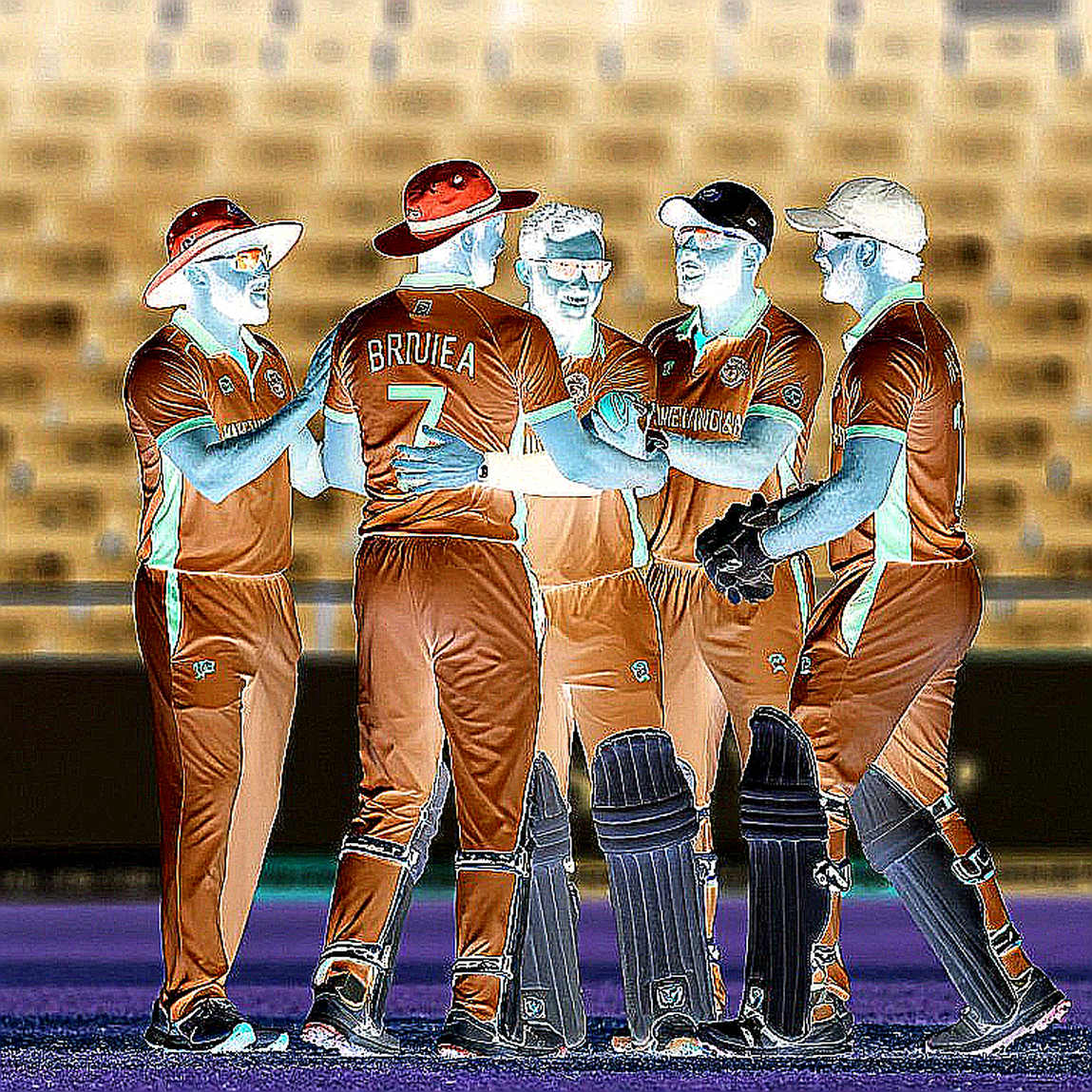
The parallel tracking of Clayton is a structural safeguard — selectors are not loading all the risk onto one young man. A home series against New Zealand is a lower-risk window than an away tour. Yet the risk remains: the confidence damage a failed recall inflicts on a 21-year-old is never written into any ledger. The talent is real — three centuries in a season and a 149 in 50-over cricket are not hollow. The question is only about timing.
The bigger question now sits on the selectors' table, not on Konstas's bat. When the squad is named late the following week, two things must be checked: whether he is in it, and whether Labuschagne returns. If another sub-50 score follows in the next Shield innings, the 85.20 average will no longer sit at the centre of the story. If at season's end we say he is ready, that will be a decision made inside one innings' frame. And if we say he is not ready, that will be a decision made in the same frame — only from the other side.